What Are The Ohio Laws Of Limitations For Accident?
When the victim is a small or stated legitimately disarmed, the conventional restriction durations might be prolonged. For minors, the law of limitations usually begins when the child transforms 18. If the injured party waits longer, the court will usually disregard the situation. This two-year period covers common injury cases like auto accidents, slip and drops, and office injuries, to name a few.
Hassle-free Cases
Browsing a malpractice instance can be made complex, so having a group that's ready to lead you through the procedure is vital. Furthermore, having 24/7 support can be a lifesaver if you require assist with an insurance claim or plan questions at any time. The law of constraints generally ranges from one to six years, depending upon the state and specifics of the instance. Proving clinical negligence typically requires significant evidence, specialist testimony, and in-depth paperwork. A lawyer will handle these critical steps, ensuring your situation is as solid as feasible.
What Is The Statute Of Restrictions For Clinical Negligence? A Meaning
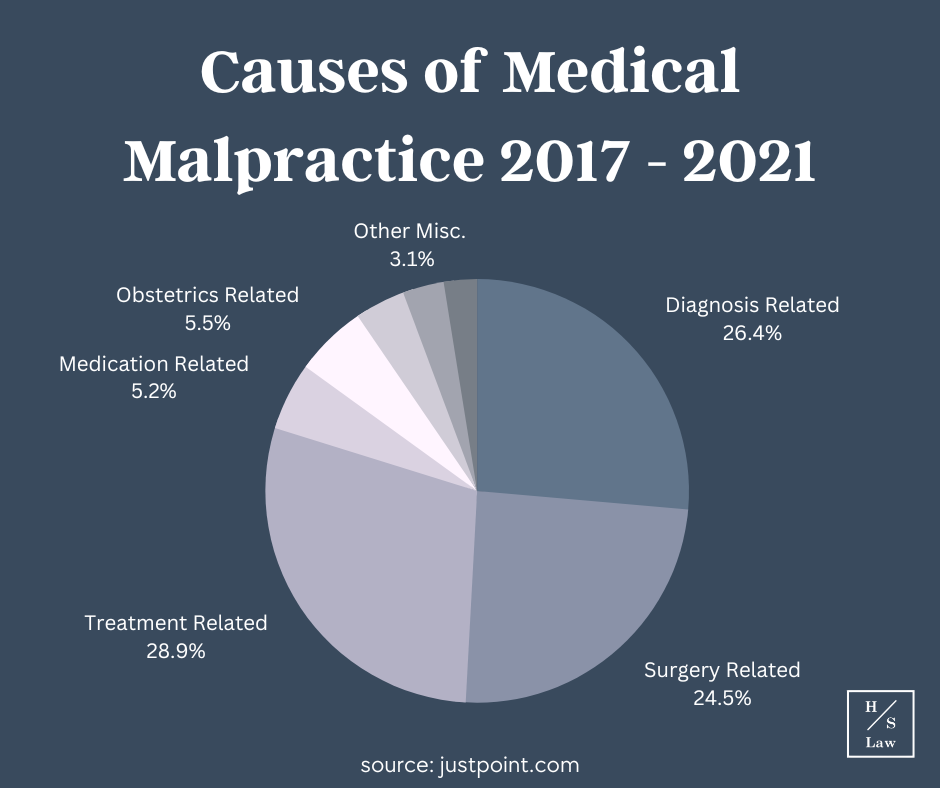
These time limits are developed by the law of restrictions, a legislation determining the optimum duration after an event within which legal procedures need to be started. Falling short to file a claim within this duration results in the irreversible loss of the right to pursue legal action. Medical malpractice claims are an important lawful option for people harmed by doctor oversight. These claims are controlled by laws of constraints, which set stringent deadlines for submitting legal actions. Missing Check out here out on these target dates can result in the loss of the right to look for payment.

- These errors can include prescribing the incorrect drug, inaccurate does, or falling short to take into consideration harmful medicine interactions.For healthcare providers, it develops a clear timeline for possible legal direct exposure.Recognizing the legal and practical impacts is crucial for anyone seeking an insurance claim.
Missing the statute of restrictions for clinical negligence instances can have serious consequences. Once you reach the moment restriction, you lose the lawful right to file a suit entirely because your claim is time-barred from court. This can stop hurt people from seeking payment for any damages incurred as a result of the carelessness of doctor. Recognizing the law of restrictions for clinical malpractice is vital for anybody thinking about legal action against doctor. Each state has certain laws that determine the timeframe within which a plaintiff need to submit their lawsuit, and the moment limitation can vary significantly relying on regional guidelines.
Taking Your Medical Negligence Lawsuit To Court: Every Little Thing You Require To Understand
This teaching may stop briefly the law of restrictions as long as the individual is receiving continuous treatment from the very same specialist for the same problem that was negligently handled. The clock for filing a legal action would certainly then begin only after that continuous therapy partnership for the specific issue wraps up. The standard time duration for filing a negligence claim differs significantly depending upon the jurisdiction where the affirmed carelessness took place. While each jurisdiction sets its own particular deadline, these durations typically range from one to 3 years from the date of the event or the exploration of the injury. Some territories may also allow for a duration of as much as six years for certain kinds of claims. The statute of limitations on medical negligence is the moment limitation by which complainants need to sue.
A law of repose acts as a hard stop that can override the exploration regulation. As an example, a territory may have a two-year law of restrictions that begins upon exploration however a seven-year law of repose. If a patient discovers an injury caused by a medical mistake eight years after the procedure, their claim would be prevented by the statute of repose, although they just discovered it. This supreme target date uses despite any other scenarios, including deceptive concealment in some instances, and gives a conclusive end to obligation for health care experts. Whatever declaring target date the law of constraints embed in your state-- 2 years, three years, etc-- the "clock" generally begins running on the day on which the declared malpractice happened. Yet many states permit special policies where a person did not understand today (and might not reasonably be expected to understand) that they were hurt by a clinical mistake. The exploration regulation addresses situations where harm caused by negligence is not immediately obvious. Under this regulation, the statute of constraints starts when the patient uncovers, or reasonably need to have discovered, the injury. This allows people to pursue claims once they become aware of the damage. Several states have a 2nd collection of deadlines, sometimes called "statutes of repose," that established another time limit for filing claims.